Emergency tree and storm clearance West Hampstead gardeners
Posted on 18/10/2026
Emergency tree and storm clearance West Hampstead gardeners: fast, safe help after severe weather
When a storm hits West Hampstead, the garden can go from calm to chaotic in a matter of minutes. One gust and a branch is down across the path. A heavier blast and a tree starts leaning in a way that makes your stomach drop. If that sounds familiar, emergency tree and storm clearance West Hampstead gardeners is the kind of help people suddenly need, not later in the week, but right now.
This guide explains what emergency clearance involves, how it is handled, when to call for it, and what a sensible next step looks like after wind, rain, or a rough night. It is written for homeowners, landlords, tenants, and anyone trying to make a risky outdoor space safe again without turning a bad situation into a worse one. To be fair, storm damage rarely arrives neatly. It often brings broken fencing, scattered debris, blocked access, and a lot of uncertainty.
If you are also thinking ahead about long-term garden resilience, it can help to look at broader weather-proofing advice such as protecting your garden from weather hazards and adapting your garden design to tackle high winds. Those pages sit nicely alongside the emergency side of things because prevention and clearance really do go hand in hand.
Why Emergency tree and storm clearance West Hampstead gardeners Matters
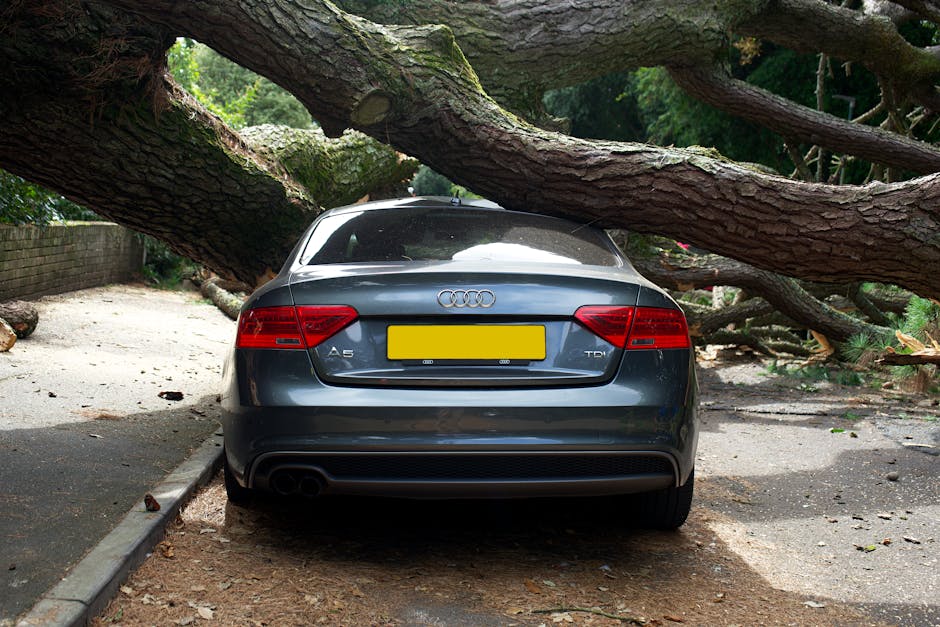
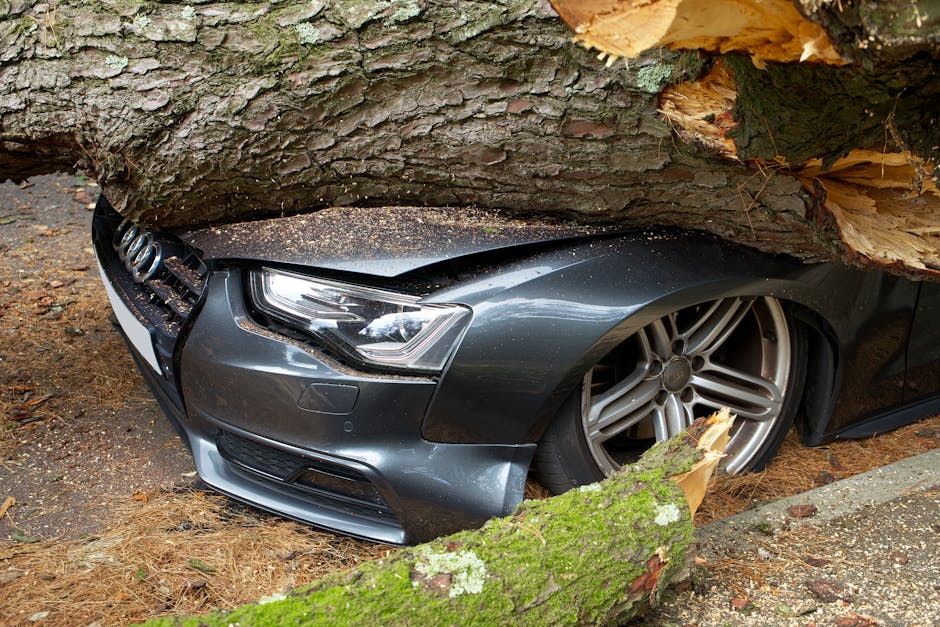
Storm damage is not just a visual problem. A snapped limb can block a drive, crush a shed roof, damage a fence panel, or hang overhead in a way that makes the space unsafe to use. Fallen branches may also hide trip hazards, snag cables, or press on greenhouse glass and planting beds. If there are children, pets, or neighbours passing through, the risk rises fast.
In a built-up place like West Hampstead, access matters too. Narrow side returns, shared boundaries, and close-planted gardens can make debris removal fiddly. That is exactly why a quick, organised clearance response helps. It restores safe access and prevents secondary damage, which is the bit people often miss until the next rainstorm rolls in.
There is also the longer view. A storm can expose weak points you did not know were there: root movement, decay, crowded canopies, poorly secured climbing plants, or old hedge lines that catch the wind. If the storm damage is linked to an overloaded boundary or tired planting, it may be worth reading about creative hedge trimming techniques and hedges that create a more sheltered garden oasis. Both can support better wind management over time.
Expert summary: emergency clearance is not only about removing what fell. It is about making the area safe, checking what is still unstable, and deciding what needs to be tidied now versus what should be assessed properly afterwards.
How Emergency tree and storm clearance West Hampstead gardeners Works
Emergency clearance usually starts with a safety-first assessment. The point is not to rush in with saws and hope for the best. A good gardener or tree specialist will first look for immediate hazards: tension in branches, unstable trunks, live cables, slippery surfaces, broken glass, and anything perched above a walkway or structure.
From there, the work typically follows a calm sequence:
- Initial call and description - You explain what happened, where the damage is, and whether anyone is at risk.
- Safety triage - The most dangerous areas are identified first, especially anything obstructing access or threatening to fall.
- Site isolation - The team may cordon off the area, keep people back, and decide the safest direction to work in.
- Controlled cutting and removal - Branches, limbs, and debris are cut into manageable sections and removed carefully.
- Clearance and tidy-up - Green waste is stacked, loaded, or moved to a safe holding point.
- Follow-up advice - You are usually told whether the tree needs a fuller inspection, pruning, or longer-term remedial work.
That final step matters more than people think. A storm can strip away the "looks fine" illusion. A tree may remain standing but no longer be structurally sound. Sometimes the most useful thing is not a dramatic intervention, just a sensible decision about what to monitor and what to remove.
If you want a broader picture of the service landscape around this kind of work, the main tree surgery West Hampstead service page is the natural companion to emergency clearance, especially where pruning, inspection, or dismantling is needed after the immediate danger is dealt with.
What counts as a true emergency?
Not every fallen branch is an emergency. Some jobs are urgent but manageable. Others need immediate attendance because delay increases the danger. A tree leaning hard against a wall, a limb resting on a roof, or debris blocking a driveway used by vulnerable residents is much more serious than a few twigs scattered on lawn. The trick is knowing the difference. Easy to say, a little harder when you are standing in the rain at 7 a.m., looking at a cracked bough and wondering if it will move again in the wind.
Key Benefits and Practical Advantages
The obvious benefit is safety. But there is more to it than that. Fast storm clearance protects the rest of the garden and helps avoid avoidable repair work. The sooner broken material is removed, the less chance there is of trampling plants, compacting soil, or allowing wet timber to stain paving and decking.
Here are the practical advantages people usually notice first:
- Safer access - paths, gates, and side passages become usable again.
- Reduced follow-on damage - roofs, fences, patios, and sheds are less likely to suffer extra impact.
- Less clutter and stress - the garden feels manageable again, which honestly helps more than people expect.
- Better decisions afterwards - once the obvious mess is gone, it is easier to judge what else needs work.
- Improved plant recovery - surrounding shrubs and beds can be tidied, lifted, or protected sooner.
There is also a maintenance angle. A storm often reveals where the garden design is working against you. Dense planting can trap windblown debris. Poor drainage can leave muddy ruts after heavy rain. Broken branches can crush ground cover that was doing a lovely job the week before. If that is your situation, proper drainage for plant health becomes relevant very quickly. Wet soil is far less forgiving when roots have been disturbed.
And yes, there is a peace-of-mind benefit too. Once the dangerous stuff is dealt with, people tend to breathe again. It sounds minor. It is not.
Who This Is For and When It Makes Sense
This kind of service is useful for a lot of people, not just those with large trees. In West Hampstead, even modest gardens can have mature shrubs, old privet hedges, climbing plants on fences, and trees close to buildings. Storms do not discriminate.
You may need emergency clearance if you are:
- a homeowner with a fallen or leaning tree after high winds
- a landlord trying to make a property safe before tenants return
- a tenant dealing with blocked access or dangerous debris
- a property manager handling a shared garden or boundary issue
- someone with a small front garden where debris is creating a public hazard
It also makes sense when the problem is not dramatic but still risky. For example, a branch may not be fully down, but it is cracked and hanging in the canopy. Or a fence panel has been pushed over and is now propping up a damaged climber. These awkward halfway situations are common. They are also exactly the sort of thing people delay, because it does not look like a movie scene. But the tree does not care whether it looks dramatic.
Where storm damage has also affected your garden structures, it may be worth looking at fencing support in West Hampstead and patio cleaning West Hampstead once the immediate clearance is done. Debris and mud have a way of spreading into places you would rather they did not.
Step-by-Step Guidance
If you are facing storm damage now, here is the practical way to approach it without panic.
- Keep people away from the hazard
Do not stand under damaged branches, and keep children and pets clear. If a tree is touching a building or fence, treat it as unstable until proven otherwise. - Look for obvious utility risks
If anything is close to cables or service lines, do not touch it. Leave that side of the job alone and request specialist help. - Take a few clear photos
A quick record helps if you need to explain the issue to a property manager or insurer later. Keep it simple; no need for a full photo essay. - Clear only what is unquestionably safe
Small loose twigs on open ground can usually be gathered up, but do not try to pull down suspended limbs or lever heavy trunks free. - Arrange emergency clearance
A gardener or tree specialist can assess the safest method and remove the hazard systematically. - Get the area made safe and tidy
Once the danger is dealt with, ask what can be restored immediately and what should wait for a proper follow-up. - Plan the next layer of work
That may mean pruning, hedge reshaping, soil repair, fence work, or a longer-term garden maintenance plan.
One useful habit: after any big weather event, walk the garden slowly before you start lifting things. Listen as much as you look. A strained branch often makes tiny cracking noises. Slightly eerie, really, and a good reminder not to rush.
If the storm has left you with a larger, untidy garden rather than one clear incident, there is a helpful read on breathing new life into a neglected garden. That kind of recovery work often follows emergency clearance.
Expert Tips for Better Results
These are the small details that improve both safety and the final result. They are not glamorous, but they matter.
- Work from the outside in. Clear edges and access routes first so the garden becomes easier to work in.
- Watch for tension. A branch bent under load can spring back unexpectedly. That is where injuries happen.
- Separate green waste from hard waste. It makes removal cleaner and speeds up the tidy-up stage.
- Protect bedding and lawns. If possible, use boards or controlled walking routes so recovery areas are not compacted further.
- Check the root zone. A tree that has lifted soil or shifted at the base may need far more than surface clearance.
- Do not forget adjacent planting. Climbers, hedges, and shrubs can be crushed or torn, even if the main tree looks like the only issue.
From experience, the best emergency jobs are the ones where the owner stays calm, gives clear access, and asks sensible questions. You do not need to know the technical vocabulary. Just explain what you saw, what has moved, and what feels unsafe. That is usually enough.
If you are also trying to make the space easier to maintain after the storm, you might find value in creating a low-maintenance garden on a budget. A simpler layout is often easier to keep tidy when weather turns ugly.
Common Mistakes to Avoid
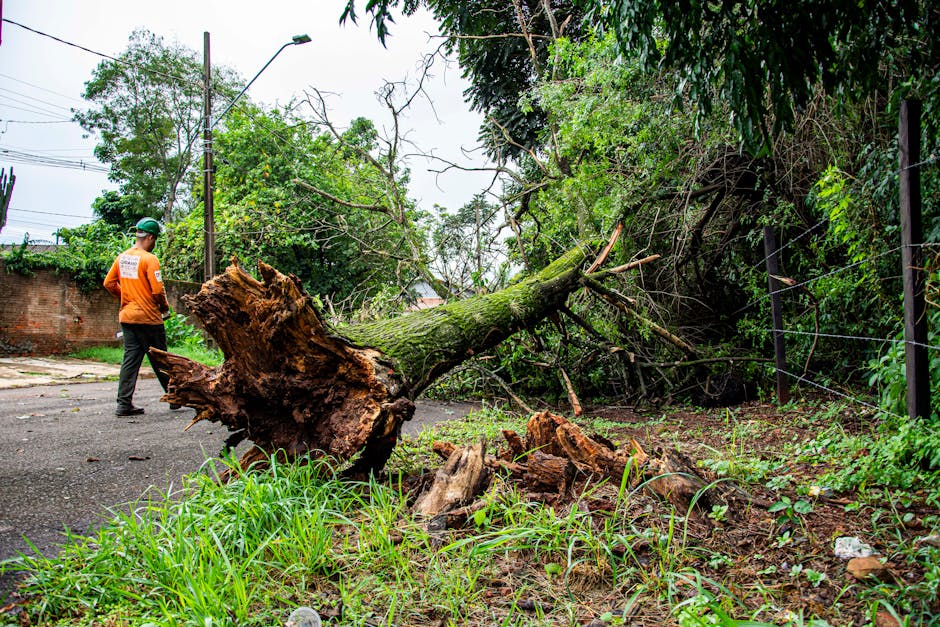
A lot of the trouble after a storm comes from well-meant improvisation. Let's be honest, people want to fix things fast. Completely understandable. But some shortcuts make the job riskier.
- Trying to cut a loaded branch without understanding the stress on it - this can cause sudden movement or a dangerous drop.
- Pulling debris by hand when it is supporting something heavier - never a great plan.
- Ignoring hidden damage - cracks at the base, split trunks, and root upheaval may not be obvious at first glance.
- Walking on unstable ground - rain-softened soil can give way around lifted roots.
- Forgetting boundary issues - a branch that fell from one side may have damaged the neighbouring side too, and that can get awkward fast.
- Leaving wet debris in piles - it blocks access, smells unpleasant, and can create pest or rot problems if it sits too long.
Another common mistake is treating hedge damage as harmless because it is "only a hedge." A split hedge can still obscure sightlines, trap wind, and create loose material around a damaged fence. If that sounds familiar, the hedge trimming West Hampstead service can be a useful follow-up after emergency clearance.
Tools, Resources and Recommendations
Emergency storm clearance usually needs proper equipment, even if the job looks straightforward from the back door. The right tools keep the work controlled and reduce mess.
| Tool or resource | What it helps with | Why it matters |
|---|---|---|
| Hand saws and pruning tools | Smaller branches and controlled cuts | Useful for precise removal around beds, fences, and planting |
| Chainsaws | Heavier timber and larger limbs | Best left to trained users because storm timber can move unpredictably |
| Ropes and lowering gear | Controlled dismantling | Helps guide heavy sections safely away from structures |
| Protective clothing | Gloves, helmets, eye protection | Basic protection against flying debris and sharp edges |
| Wheelbarrows and bags | Debris transport | Keeps the site tidy and reduces repeated carrying |
| Lighting and access aids | Dark corners, early morning work, narrow passages | West Hampstead gardens can be tight and shaded, so good visibility helps a lot |
For a broader sense of the tools and know-how often used in proper garden work, the article on top gardening tools is a practical companion read. And if the storm has left your planting areas bare or beaten down, UK-friendly ground covers can help restore coverage in a sensible way afterwards.
Recommended approach: if the work feels beyond simple garden tidy-up, do not force it. The safest jobs are usually the ones done with the right kit and enough room to work, not the ones rushed with a pair of secateurs and optimism.
Law, Compliance, Standards, or Best Practice
Emergency garden clearance is not the place to improvise around safety. While every site is different, a few general best-practice principles are worth following.
First, if damaged trees or branches may affect public pavement, a neighbour's property, or shared access, the priority is to make the area safe and prevent further harm. If there is any concern about live electrical equipment or cables, do not attempt contact yourself. That is one of those moments where stepping back is the right move, not the cautious overreaction.
Second, professional gardeners and tree workers should use appropriate protective equipment and work methods suitable for unstable timber. That includes planning the direction of movement, checking for load, and avoiding uncontrolled cuts. A sensible provider will also have clear insurance and safety practices in place. If you want to understand how a reputable business frames this, see the site's insurance and safety information and health and safety policy.
Third, waste handling should be tidy and proportionate. Wet timber, thorny material, and larger woody sections should be removed without leaving trip hazards behind. The exact disposal method can vary, but the expectation is simple: leave the site safer than you found it.
Where neighbours are involved, good communication matters too. A brief heads-up can prevent a lot of friction if access is shared or if branches crossed a boundary. Not glamorous, but it saves headaches.
Options, Methods, or Comparison Table
There is more than one way to handle storm damage, and the right option depends on severity, access, and whether a tree is still unstable.
| Method | Best for | Limitations | Typical use |
|---|---|---|---|
| Basic garden tidy-up | Loose twigs, small debris, light leaf fall | Not suitable for unstable branches or leaning trees | Minor aftermath after a storm |
| Targeted emergency clearance | Fallen branches, blocked access, broken fence intersections | May not address deeper structural issues | Most urgent storm call-outs |
| Tree surgery follow-up | Split limbs, decay, heavy canopy imbalance, root movement | Needs more time and assessment | When the tree itself needs attention after clearance |
| Garden restoration | Compacted borders, damaged beds, washed-out planting areas | Not a same-day fix in many cases | After the urgent danger has gone |
For many households, the best route is a combination: urgent clearance first, then a measured follow-up. That is especially true where the garden is part of a wider maintenance plan. If you are already thinking in those terms, garden maintenance in West Hampstead can provide the regular care that makes the next storm less disruptive.
Case Study or Real-World Example
Picture a typical West Hampstead rear garden after an evening of strong wind. A medium-sized branch has snapped from a mature tree and is now leaning across the back path, with smaller debris scattered into a planting bed. A fence panel nearby has taken a knock, and a patch of lawn has become a muddy mess from people trying to step around the obstruction.
In that kind of situation, the sensible response is not to tug the branch free. The job begins with access control, then controlled cutting, then removal of the broken timber in smaller sections. Once the path is open again, the boundary area can be inspected more closely. Was the branch only storm-damaged, or did it fail because the tree was already stressed? Did the fence absorb some of the impact? Has the soil around the roots shifted? These are the questions that matter after the rush of the first hour is over.
What usually helps most is the follow-up. Perhaps the canopy needs thinning later in the year. Perhaps the hedge needs reshaping so it catches less wind. Perhaps the planting bed would benefit from better drainage so rainwater does not sit around the roots after every downpour. That is why storm clearance is rarely just a one-off job. It is the opening move in getting the garden back to normal, properly normal, not just tidied for the sake of it.
Practical Checklist
Use this quick checklist if you are dealing with a storm-affected garden today.
- Keep everyone away from hanging branches, leaning trees, and unstable fences.
- Check for visible signs of cable or utility risk before approaching the area.
- Take simple photos of the damage from a safe distance.
- Do not attempt to move heavy timber by hand if it is supporting weight.
- Clear only lightweight debris that is obviously safe to handle.
- Arrange emergency tree or storm clearance for anything blocked, cracked, or leaning.
- Ask for a follow-up assessment if the tree base, trunk, or roots look disturbed.
- Check whether nearby beds, lawns, or paving need restoration afterwards.
- Think about longer-term weather resilience, not just the immediate clean-up.
- Keep pets and children out of the area until you are certain it is safe.
And one more thing: if the aftermath has left your garden feeling a bit battered and tired, that does not mean it is ruined. Gardens recover. They really do.
Get a free quote today and see how much you can save.
Conclusion
Emergency tree and storm clearance West Hampstead gardeners is about more than picking up broken bits after bad weather. It is the work of making a space safe again, spotting hidden damage, and giving the garden a sensible route back to health. In a local setting where space can be tight and weather can change quickly, that mix of speed and judgement matters.
Whether you are dealing with a single fallen branch or a more serious structural problem, the best outcome usually comes from calm assessment, careful removal, and a practical plan for the next step. Sometimes that next step is tree surgery. Sometimes it is hedge repair, fence work, or drainage improvements. Sometimes it is simply clearing the mess and taking a breath. Fair enough.
If you take anything from this guide, let it be this: do not rush a dangerous garden situation, and do not leave it hanging around either. The right help turns a stressful aftermath into something manageable, and that is a relief you can actually feel when you step back into the garden the next morning.

Trevor's gardening knowledge empowers him to write informative articles on landscaping, lawn care, and garden maintenance, assisting many in achieving the garden of their dreams.