Mill Lane front garden planting and maintenance gardeners
Posted on 26/10/2026
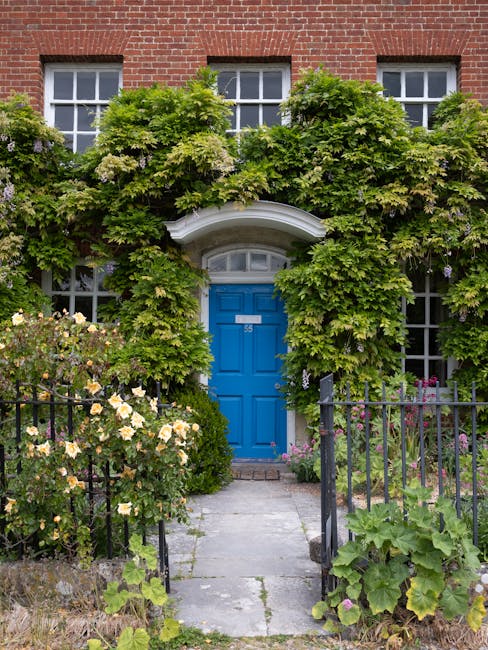
Front gardens do more than fill the space between the pavement and the front door. They set the tone for the whole property, soften hard edges, and quietly carry the burden of year-round maintenance. If you're looking for Mill Lane front garden planting and maintenance gardeners, you're probably after something very practical: a tidy, welcoming garden that looks good in all seasons without becoming a weekend chore. That's exactly where a well-planned front garden makes a difference.
In Mill Lane, front gardens often have to balance kerb appeal, privacy, drainage, light levels, and the simple realities of foot traffic, bins, visitors, pets, and weather. A good gardener knows that the best front garden isn't always the most elaborate one. Often it's the one that keeps its shape, survives a windy spell, and still looks alive in February. This guide walks through what professional front garden planting and maintenance involves, how it works, and how to choose a sensible approach that suits your home.
Why Mill Lane front garden planting and maintenance gardeners Matters
Front gardens are seen every day. That sounds obvious, but it changes the whole brief. Unlike a back garden, a front garden has to perform immediately and consistently. It needs structure, a sensible plant palette, and enough maintenance discipline to stop it drifting into clutter. For many homes, the front garden is also the first place weather and drainage issues show themselves. A patch that looks fine in summer can become compacted, weedy, or waterlogged by autumn if it hasn't been designed properly.
Good front garden work isn't just cosmetic. It supports healthier plants, reduces repeated repairs, and helps the whole property feel cared for. A professional gardener will think about how people actually use the space: where rain runs, where the bins need to go, whether the postperson has room to pass, whether the entrance needs a clear line, and whether the planting can survive in a narrow border beside paving. That practical mindset is what separates a quick tidy-up from long-term improvement.
There's also a trust factor. A neat front garden often tells visitors, neighbours, and even prospective buyers that the home is maintained with care. Not in a showy way. Just well kept. And to be fair, that matters more than people sometimes admit.
How Mill Lane front garden planting and maintenance gardeners Works
Front garden planting and maintenance usually begins with assessment. A gardener looks at the amount of light, soil quality, drainage, existing shrubs, access, hard landscaping, and the level of upkeep you're willing to commit to. That first look matters because front gardens are often more constrained than they appear. A narrow strip by the path may dry out quickly in summer but stay soggy after rain. A shaded frontage may suit evergreen structure better than flowering borders. A windy corner may need tougher plants that hold together rather than flop over.
Once the site is understood, the work typically moves into planning. This may include reshaping beds, improving soil, adding mulch, choosing low-maintenance planting, and setting a seasonal care routine. Where appropriate, gardeners may recommend better drainage for healthier planting, because weak drainage is one of the quiet reasons front gardens fail. Roots need air as much as water, and saturated ground can undo otherwise good planting choices.
Maintenance is the ongoing part. That includes weeding, deadheading, pruning, hedge trimming, feeding where needed, checking mulch levels, and keeping the front boundary clean and controlled. In practical terms, the job is about preventing small issues from becoming expensive ones. A weed left to seed in spring becomes a summer nuisance. A shrub left uncut can shade out smaller plants before you even notice. Gardening has a habit of rewarding consistency. Annoying, yes. But true.
Key Benefits and Practical Advantages
There are a few benefits that come up again and again when front gardens are planned and maintained properly:
- Better kerb appeal: The entrance feels intentional rather than accidental.
- Cleaner, safer access: Clear paths and controlled planting reduce trip hazards and overgrowth.
- Lower long-term effort: A well-designed front garden is easier to keep tidy, which is the real win.
- Seasonal interest: The space can look attractive in winter as well as in summer.
- Healthier plants: Suitable soil, drainage, spacing, and pruning reduce stress on roots and stems.
- More privacy where needed: Hedges, climbers, and layered planting can soften views without making the front feel shut in.
Front garden maintenance also helps with resilience. In exposed spots, plants can suffer from frost, strong winds, and drying conditions. Choosing the right structure and caring for it regularly makes a surprising difference. If you've ever watched a front border collapse into a ragged mess after one wet, blustery week, you'll know exactly what I mean. The garden doesn't need more effort every month; it needs better decisions at the start.
Some households also use front garden planting to create specific outcomes: a calmer entrance, a neater rental property, a safe planting scheme around pets or children, or a low-upkeep look for busy schedules. That flexibility is one of the strongest reasons to invest in it.
Who This Is For and When It Makes Sense
Mill Lane front garden planting and maintenance gardeners are a good fit for homeowners who want the front of their property to look cared for without becoming another source of stress. It makes sense if:
- your front garden is currently bare, patchy, or overgrown;
- you want a better planting scheme but don't know what will actually thrive;
- you need regular maintenance rather than a one-off tidy;
- your borders suffer from shade, wind, dry soil, or poor drainage;
- you need a front garden that works with a driveway, path, fence, or railings;
- you're aiming for low-maintenance kerb appeal before selling or renting a property.
It also makes sense if you've inherited a garden that was once lovely and has slowly slipped. That happens more often than people think. A few neglected shrubs, a layer of self-seeded weeds, maybe a hedge that grew a bit too ambitious. Nothing dramatic, just enough to make the place feel tired. In those cases, starting with a proper reset can be far easier than trying to patch things in place. If that sounds familiar, you may find practical ideas for reviving a neglected garden useful alongside professional maintenance.
On the other hand, if you enjoy gardening but only need light support, a service can still be valuable. Sometimes the best help is not a full redesign, but a steady hand with pruning, mulch, weed control, and plant selection. Little and often. That's usually the sweet spot.
Step-by-Step Guidance
If you're planning a front garden refresh, the process is easiest when handled in stages. Here's the sort of approach a careful gardener would follow.
- Assess the site. Check sun, shade, wind exposure, drainage, soil type, and access. Note any awkward spots near walls, steps, or boundaries.
- Decide the purpose. Do you want privacy, a softer entrance, seasonal colour, low maintenance, pollinator-friendly planting, or all four? Be honest here. It saves headaches later.
- Clear and tidy. Remove dead growth, weeds, damaged edging, and anything that has outgrown its place. If the garden is severely untidy, start with a reset rather than trying to layer on new planting too soon.
- Improve the soil. Add organic matter where needed and correct drainage problems before planting. This is one of the biggest predictors of success.
- Choose plants for conditions, not wishful thinking. A sun-loving border plant forced into shade will always look a little sorry for itself. Matching plant to site is basic, but people skip it all the time.
- Layer the planting. Use a structure such as a hedge or shrub layer, then fill gaps with perennials, grasses, ground cover, or seasonal interest plants.
- Finish with mulch and clean edges. Mulch conserves moisture, suppresses weeds, and makes the whole front garden look intentional.
- Set a maintenance rhythm. Plan regular visits for weeding, trimming, feeding, and seasonal tweaks so the garden doesn't wander off on its own little adventure.
The important thing is sequence. Planting before fixing drainage or soil is a false economy. Likewise, choosing plants before knowing the light level is the kind of mistake that looks small in March and very obvious by August.
Expert Tips for Better Results
Experienced gardeners tend to focus on small, repeatable wins. A few of those make front gardens noticeably stronger:
- Use repetition with restraint. Repeating the same two or three plants creates unity without making the border look busy.
- Think in layers. A mix of evergreen, seasonal, and ground-hugging plants gives you visual depth all year.
- Prioritise edges. Crisp borders and straight lines make even modest planting look more polished.
- Keep the tallest plants away from entrances. A front step should feel open, not swallowed by foliage.
- Mulch at the right time. It is usually most useful after the soil has been weeded and watered, not piled on top of mess.
- Choose plants that can tolerate real life. If there are dogs, pushchairs, delivery bags, or narrow passes, avoid fragile choices close to the path.
For narrow or awkward front spaces, it can help to borrow ideas from other compact-garden approaches. For example, UK-friendly ground covers can reduce bare soil and help keep weeds down, while evergreen climbers for shade may be useful near fences, walls, or darker entrances where planting options are tighter than you'd like.
And if the frontage feels a little exposed, a wind-aware planting strategy matters. The article on how to tackle high winds in garden design is a sensible read for anyone dealing with a breezy open frontage.
One more thing: don't underestimate hedge maintenance. A hedge that is trimmed regularly is elegant; a hedge left to romp around becomes a chore. There's no mystery there, just timing and consistency. A bit boring, maybe. Very effective, definitely.
Common Mistakes to Avoid
Most front garden problems are not dramatic. They're just accumulated small decisions. That's why it helps to know the usual traps:
- Planting for appearance only. Beautiful plants that hate the site will disappoint quickly.
- Ignoring drainage. Waterlogging near the front path or entrance can damage roots and make the ground messy.
- Overcrowding. Newly planted borders often look sparse, but cramming plants in to "fill" the space can lead to constant pruning later.
- Choosing high-maintenance plants without a routine. If you won't deadhead, prune, or feed regularly, keep the design simpler.
- Forgetting winter structure. Many front gardens look fine in June and flat by January because nothing holds the shape.
- Leaving weeds too long. Once they root deeply or seed, the job gets harder.
A lot of people also make the same mistake with budgeting: they spend on plants first, then run out of money for soil improvement, edging, mulch, or ongoing care. Truth be told, the unglamorous part of gardening is often the part that makes the glamorous part last. That's just how it is.
If the garden has started to feel overwhelming, a staged reset can help. For practical strategies, have a look at creating a low-maintenance garden on a budget and, if weeds are the main enemy, these weed control tips can support the work.
Tools, Resources and Recommendations
A good front garden maintenance routine relies on straightforward tools rather than complicated kit. You don't need every shiny gadget in the shed. You really don't.
- Hand trowel and hand fork: useful for planting, lifting weeds, and working in tight borders.
- Bypass secateurs: best for clean pruning of soft stems and small branches.
- Hedge trimmer or shears: helpful where the front boundary includes a hedge or clipped shrubs.
- Fork and spade: needed for soil improvement, planting larger shrubs, and lifting old material.
- Watering can or hose with a gentle rose: especially important for establishing new planting.
- Gloves, kneeler, and debris bags: small things, but they make regular maintenance much easier.
For deeper jobs, it can make sense to combine front garden work with other services where needed. If the frontage includes overgrown shrubs or hedging, hedge trimming support may be the sensible choice. If the garden extends to a lawned front area, then the routine may overlap with lawn care or scheduled lawn mowing. For full redesign work, landscaping services can help turn a difficult space into something more coherent.
A quick note on plant choice: in smaller front gardens, it's often worth exploring approaches used for small-space cultivation and vertical gardening techniques. These ideas can add greenery without making the entrance feel crowded.
Law, Compliance, Standards, or Best Practice
For front garden work in the UK, most of the day-to-day guidance comes down to good practice rather than heavy regulation. Still, there are sensible points worth keeping in mind.
First, if plants, hedges, or fences border a pavement or shared access point, they should be managed so they do not obstruct walking routes, visibility, or safe access. A front garden should feel welcoming, not like a squeeze through a thicket. If there are trees, larger shrubs, or anything structurally uncertain, it's wise to follow careful arboricultural practice and seek the right level of expertise. That is especially true where roots affect paving, walls, or drains.
Second, gardeners working on site should use appropriate safety procedures. That means sensible handling of tools, safe lifting, careful ladder use when needed, and attention to trip hazards around paths and steps. If you are hiring someone, it is reasonable to ask about insurance and safety procedures. The same goes for clear terms, pricing, and communication before work begins. None of that is overkill. It's basic professionalism.
Best practice also includes environmental care. Avoid overwatering, use mulch where it genuinely helps, dispose of green waste responsibly, and choose plants suited to the conditions so you're not constantly replacing failures. A front garden can be attractive without being wasteful. In fact, the best ones usually aren't fussy at all.
For anyone interested in broader trust and service information, the pages on insurance and safety, health and safety policy, terms and conditions, privacy policy, and accessibility statement are useful reference points when evaluating a service provider.
Options, Methods, or Comparison Table
Front garden work is not one-size-fits-all. The right approach depends on how much time you want to spend, how much change you want, and what the site actually needs. Here's a practical comparison.
| Approach | Best For | Pros | Trade-Offs |
|---|---|---|---|
| Simple tidy and maintenance | Healthy gardens needing regular care | Fast, affordable, keeps things neat | Won't fix poor layout or weak planting |
| Planting refresh | Front gardens with tired beds or gaps | Improves appearance and seasonal interest | Needs correct soil and aftercare |
| Low-maintenance redesign | Busy households or rental properties | Less ongoing work, more structure | Initial planning matters a lot |
| Full landscaping | Problematic or outdated front gardens | Best for major improvement and long-term value | Higher upfront effort and coordination |
In many cases, the smartest option is a middle ground: a tidy, restrained planting scheme with reliable maintenance. That gives you the biggest return on effort. A complete redesign is not always necessary, and just keeping things tidy without improving the planting can leave you stuck in the same cycle. Balance matters.
Case Study or Real-World Example
Consider a typical Mill Lane frontage: a narrow front garden beside a path, a small paved area near the entrance, and a border that gets partial shade for much of the day. The garden has a couple of shrubs that have become leggy, some patchy soil, and a few weeds that keep returning after rain. Nothing catastrophic. Just a bit tired.
The first step would be to clear the border properly and check whether the soil is holding water after showers. If the bed is heavy and compacted, drainage gets improved before any new planting goes in. Then the gardener would reduce the number of competing plants, keep one or two reliable evergreen anchors, and add lower planting or ground cover to close the gaps. A climber could be introduced if there's a wall or fence that would benefit from vertical interest, and the front edge would be kept crisp so the whole space reads as neat rather than busy.
After that, the maintenance plan would be very simple: weed checks, seasonal pruning, mulch refresh, and a light shape-up to keep the front line clean. The result is not flashy. But from the pavement, it looks calm, balanced, and looked after. That's the real win. Most people don't need a magazine garden. They need one that still looks good on a Tuesday in November.
If you want to add more personality, small features can help, like a tidy seating nook or a couple of container plants by the door. The advice in creating inviting outdoor seating in gardens can be adapted neatly for compact front spaces, especially if you want the entrance to feel lived in rather than just decorated.
Practical Checklist
Use this checklist if you're planning work on a front garden and want the essentials covered.
- Site assessed: light, shade, drainage, wind, access, and soil condition checked.
- Purpose defined: privacy, kerb appeal, low maintenance, or seasonal interest identified.
- Problem growth removed: dead shrubs, weeds, and overcrowded plants cleared.
- Soil improved: compost or organic matter added where needed.
- Drainage reviewed: waterlogged spots addressed before planting.
- Planting plan created: suitable plants chosen for the actual conditions.
- Structure included: evergreen framework, hedge line, or boundary planting considered.
- Mulch added: to help retain moisture and suppress weeds.
- Edges and paths cleaned: the entrance feels sharp and safe.
- Maintenance routine set: pruning, weeding, and seasonal checks scheduled.
That may look simple on paper, but it prevents a lot of disappointment later. And honestly, it makes the garden feel easier to live with straight away.
Get a free quote today and see how much you can save.
Conclusion
Mill Lane front garden planting and maintenance gardeners are about more than keeping the front tidy. They help shape the first impression of your home, solve small site problems before they become big ones, and build planting that can actually cope with everyday life. Whether your front garden needs a careful refresh, a low-maintenance redesign, or a reliable maintenance routine, the value is in practical planning and steady care.
The best front gardens are rarely the most complicated. They're the ones that fit the space, suit the light, handle the weather, and stay believable month after month. A little structure, a little discipline, and the right plants can go a long way. And when it's done well, you notice it every time you walk up the path.
There's something reassuring about that, really. A front garden that quietly does its job. No fuss. Just looking right.

Trevor's gardening knowledge empowers him to write informative articles on landscaping, lawn care, and garden maintenance, assisting many in achieving the garden of their dreams.