West Hampstead Thameslink verge repairs and maintenance gardeners
Posted on 19/11/2026
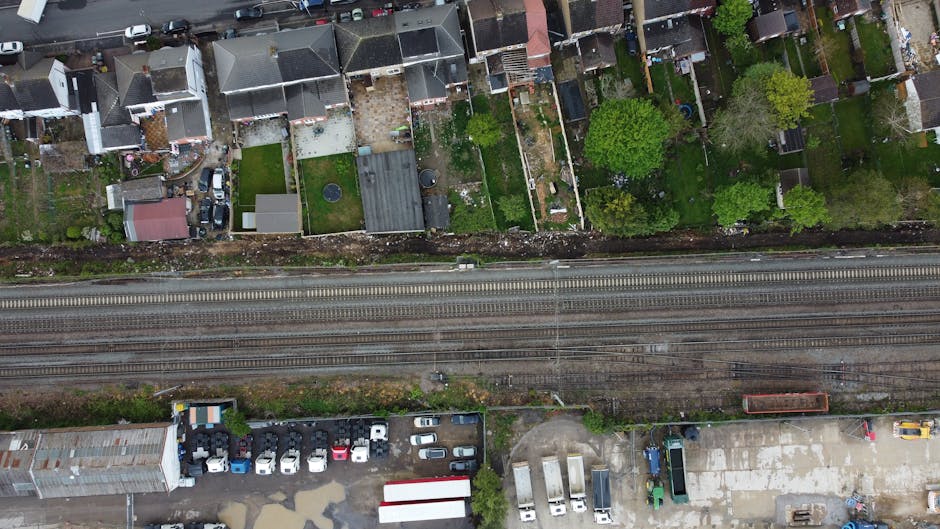
West Hampstead Thameslink Verge Repairs and Maintenance Gardeners: A Practical Guide to Safer, Tidier Rail-Side Greenery
If you manage a verge near West Hampstead Thameslink, you already know it is not a normal bit of planting. It is exposed, tight, easy to damage, and often judged by everybody passing in a hurry. That is exactly why West Hampstead Thameslink verge repairs and maintenance gardeners need a different approach from routine garden care. The work has to be neat, resilient, low-disruption, and realistic for a rail-side setting where footfall, wind, shade, and drainage all play their part.
This guide explains what verge repairs involve, how maintenance usually works, when it makes sense to bring in specialists, and what to look out for if you want long-lasting results rather than a quick cosmetic patch. You will also find a practical checklist, a comparison table, and a few hard-earned tips that save time later. Truth be told, on verges like these, small mistakes become visible very quickly.
Why West Hampstead Thameslink verge repairs and maintenance gardeners Matters
Rail-adjacent verges do more than look pleasant. They shape first impressions, protect the soil, help control runoff, and keep access routes feeling orderly rather than neglected. Around a busy transport corridor, plants and surfaces take a beating: people cut across edges, bins get dragged, wind funnels through open spaces, and soil can compact surprisingly fast.
When verge maintenance is left too long, the problems stack up. Turf thins out, weeds move in, bare patches widen, and water starts sitting where it should not. From there, you get slippage, muddy run-off, and a verge that looks tired even if the actual planting is still salvageable. If you have ever seen a strip of greenery after a wet week in London, you will know what I mean. It can go from "fine" to "blimey" rather quickly.
Good verge repair is not just about replacing a few plants. It is about restoring structure. That means checking drainage, improving soil condition, trimming back overgrowth, choosing tougher species, and setting up a maintenance rhythm that holds up in the real world. For related drainage thinking, see this practical drainage guide for healthier planting.
Expert summary: if a verge is repeatedly failing, the root cause is usually not one thing. It is often a mix of compaction, poor drainage, unsuitable planting, and inconsistent upkeep. Fix the system, not just the symptom.
How West Hampstead Thameslink verge repairs and maintenance gardeners Works
In practice, verge repair and maintenance usually happens in stages. A good gardener starts by reading the site properly. That means assessing soil firmness, checking where water collects, noticing pedestrian desire lines, and identifying whether plants are failing because of weather, shade, salt, neglect, or repeated disturbance.
Next comes the repair phase. This can involve cutting back dead material, lifting damaged turf, improving the top layer of soil, re-edging boundaries, and replanting with species that actually suit the space. In some cases, the right move is to simplify the planting. Fussy, high-maintenance plants are a poor fit for exposed strips near transport links. To be fair, they are a poor fit in many ordinary gardens too.
Maintenance then becomes the quiet but essential part. Regular visits keep weeds down, prevent encroachment, maintain visibility, and stop a small issue from turning into a repeated repair bill. That can include hand weeding, mulching, light pruning, seasonal feeding, checking for soil washout, and watching for wear from foot traffic or weather. If the verge includes hedging or boundary planting, structured trimming matters as well; you can explore that style of upkeep through professional hedge trimming support in West Hampstead.
There is also a planning side to it. Smart verge care often borrows from wider garden maintenance principles: low-maintenance planting, weed suppression, and resilience. In some cases, a narrower planting palette is better than a mixed border because it is easier to maintain consistently. A calmer design usually stays in better shape.
Key Benefits and Practical Advantages
When verge repairs are done well, the improvements are obvious, but not always in a flashy way. The best results tend to feel calm, tidy, and durable rather than dramatic. That is kind of the point.
- Improved presentation: a repaired verge makes the whole frontage look cared for, even from a distance.
- Better plant survival: the right soil and watering approach give new plants a fighting chance.
- Less ongoing mess: a repaired edge reduces weed creep, erosion, and mud tracking.
- Safer access: tidy boundaries and level surfaces reduce trip hazards and awkward overgrowth.
- Lower long-term cost: a proper repair usually costs less over time than repeated patch jobs.
- More resilient planting: using tough, suitable plants means less replacement work later.
There is also a quiet environmental benefit. Better ground cover can hold soil in place, soften runoff, and support a more stable microclimate around the verge. If you are considering robust planting choices, take a look at UK-friendly ground covers that help knit a surface together.
And if the verge includes shade or awkward corners, the right structure matters just as much as the plants themselves. Evergreen climbers and simple vertical elements can help make awkward spaces usable, not just decorative. See also evergreen climbers for shady spots.
Who This Is For and When It Makes Sense
This kind of work is relevant to more people than you might expect. It is not only for large estates or public bodies. In West Hampstead, verge repair and maintenance may be needed by landlords, residents' associations, commercial premises, housing managers, and property owners who have a narrow strip of planting near a path, road edge, or shared entrance.
It makes particular sense when you notice one or more of these signs:
- the verge becomes muddy after rain and stays that way
- plants keep dying in the same patch
- weeds return almost immediately after clearing
- the soil is compacted and difficult to dig
- the edge looks patchy, uneven, or half-collapsed
- people regularly step across the verge and wear it down
- seasonal wind, shade, or runoff keeps upsetting the planting
Sometimes the question is not "Can we improve it?" but "Should we keep the same layout at all?" A small reset can be more effective than endlessly nursing a weak design. If the space needs a bigger refresh, this neglected-garden recovery guide is a useful way to think about the process.
For sites that need to be resilient rather than showy, low-maintenance planning is usually the right call. A verge near a busy station does not want delicate, diva-like plants. It wants dependable ones.
Step-by-Step Guidance
Here is the practical sequence we would normally follow for a verge repair and maintenance job. It is simple enough to understand, but each stage matters.
- Inspect the site properly. Look for puddling, compaction, plant loss, rubbish build-up, weak edges, and any obvious traffic wear.
- Clear the verge carefully. Remove dead growth, litter, loose debris, and invasive weeds without tearing up the surviving structure.
- Test the ground condition. If the soil is dense or waterlogged, it may need loosening, topdressing, or better drainage planning.
- Repair the edge and surface. Re-level sunken patches, define borders, and restore the verge line so it looks intentional again.
- Choose suitable planting. Prioritise durable ground cover, compact shrubs, or tough perennials that can handle exposure.
- Mulch and protect. A mulch layer helps retain moisture, reduce weeds, and protect fresh planting from temperature swings.
- Water in properly. New planting needs steady establishment watering, not random drenching, and not the occasional heroic splash.
- Set a maintenance cycle. Schedule light but regular checks for weeds, damage, and growth that is becoming unruly.
That last step is the one people often skip. Then six weeks later, everyone is surprised the verge looks wild again. Nobody should be surprised, really.
If the verge is part of a wider low-water or low-input planting scheme, a few extra ideas can help. For instance, the principles in low-maintenance garden planning translate well to small urban verges.
Expert Tips for Better Results
Good verge work is often about restraint. The more exposed the site, the more careful you need to be with design choices. Here are the points that make the biggest difference in the real world.
- Keep species choices simple. Mixed planting can work, but uniformity usually makes maintenance easier and the result cleaner.
- Match the plant to the microclimate. Sun, shade, wind, reflected heat, and footfall matter more than brochure descriptions.
- Use ground cover strategically. It helps reduce weed pressure and protects bare soil from washing out.
- Trim little and often. Frequent light cuts are usually better than waiting for the verge to get out of hand.
- Watch drainage after every heavy rainfall. Standing water is a warning, not an inconvenience to ignore.
- Prepare for winter early. Cold, frost, and wind can expose weak points fast. A late autumn tidy-up saves headaches.
A small observation from practical work: the sites that look best in March are often the ones that had the least drama in November. That is not magic. It is just steady maintenance.
If the verge sits near other planted areas, it can help to think in layers. Hedges, climbers, and ground cover each solve different problems. You may find useful ideas in this hedging selection guide and these hedge-trimming techniques.
One more thing: do not overfeed verge planting. Overly lush growth can flop, attract more maintenance, and make edges messy. Healthy is better than showy. Every time.
Common Mistakes to Avoid
Most verge failures come from predictable errors, not bad luck. Avoiding these will save you money and, just as importantly, keep the space looking under control.
- Using thirsty plants in exposed ground. What works in a sheltered courtyard may fail on a windy verge.
- Ignoring soil compaction. If roots cannot breathe, the planting will always struggle.
- Planting too densely. Crowding seems efficient, but it usually creates competition and messy maintenance later.
- Letting weeds seed freely. One season of neglect can turn into a long cleanup cycle.
- Skipping edging and borders. A clean edge is not vanity; it is part of control.
- Overlooking the water path. If rain naturally runs across the verge, you need to work with that, not against it.
- Waiting until things collapse. Small touch-ups are much easier than full repair work.
There is also a design mistake that is oddly common: trying to make a tiny verge do too much. A verge is not a whole garden. It cannot be a seating zone, a wildlife meadow, a privacy screen, and a display border all at once. Well, it can try. It usually loses.
If weather exposure is a regular issue, some simple planning advice from weather-hazard protection for gardens can be surprisingly relevant.
Tools, Resources and Recommendations
You do not need a huge kit to maintain a verge properly, but you do need the right tools for clean, accurate work. A few essentials make life much easier.
- Hand tools: trowel, hand fork, edging knife, secateurs, and a weeding tool for tight access areas.
- Cutting tools: shears or hedge trimmers where light shaping is needed.
- Soil care items: compost, mulch, and, where needed, grit or soil improver to address structure.
- Safety gear: gloves, sturdy footwear, eye protection when cutting, and high-visibility clothing if the site requires it.
- Watering kit: a watering can, hose with sensible control, or temporary irrigation for establishing new planting.
For heavier upkeep, a professional team should also have a process for risk assessment, site safety, debris management, and waste handling. If you are comparing service depth, it helps to look beyond the headline and ask how maintenance is actually delivered week to week.
Useful supporting topics from the same site can also help shape better verge decisions. For example, the guidance on top gardening tools is handy when you want to understand what good equipment looks like, and winter plant safety tips are worth revisiting before the cold snaps arrive.
If the verge has wider landscaping needs, you may also want to consider whether related work such as landscaping support, lawn care, or ongoing garden maintenance would make the overall site easier to manage.
Law, Compliance, Standards and Best Practice
For verge repairs near transport or public-facing space, the practical standard is simple: work safely, avoid creating hazards, and keep the site appropriately managed. Exact obligations can vary depending on ownership, access arrangements, and the nature of the land, so it is sensible to confirm responsibilities before starting anything more than routine maintenance.
In the UK, good practice usually includes the following:
- using competent operatives for higher-risk tasks
- carrying out sensible site-specific risk checks
- keeping pathways, edges, and access routes free of avoidable obstruction
- handling tools and waste in a controlled way
- working carefully around pedestrians, neighbours, and any nearby traffic or access pressure
If a project involves elevated risk, awkward access, tree work, or substantial boundary changes, it is worth treating it as more than routine gardening. Insurance and methodical safety planning matter. You can read more about that general approach through the site's insurance and safety information and health and safety policy.
For customer-facing processes, clarity also helps. People usually appreciate knowing how pricing is handled, what is included, and how concerns are raised. The supporting pages on pricing and quotes, terms and conditions, privacy policy, and complaints procedure are all helpful trust signals when you are choosing a provider.
If a contractor is open about process, safety, and access, that usually tells you more than a glossy promise ever will. A tidy verge is nice. A well-run job is nicer.
Options and Comparison Table
Different verge situations call for different levels of intervention. Sometimes a light tidy is enough. Sometimes the verge needs stripping back and rebuilding from the soil up. Here is a straightforward comparison.
| Approach | Best for | What it includes | Typical outcome |
|---|---|---|---|
| Light maintenance only | Verge already in decent shape | Weeding, edging, trimming, tidy-up visits | Clean appearance and steady control |
| Targeted repair | Patchy or damaged sections | Soil improvement, patch replanting, edge restoration | Healthier growth and improved continuity |
| Full verge reset | Severely compacted or failed strips | Removal, soil treatment, redesign, replanting | More durable, lower-maintenance verge structure |
If your verge keeps failing in the same place, a full reset is often more honest than patching the same problem forever. That said, not every site needs the big intervention. A sensible gardener will tell you that rather than pushing the priciest option.
Case Study or Real-World Example
Imagine a narrow verge near the station approach: compacted soil, a few surviving tufts of grass, weeds at the edges, and muddy patches after rain. It has probably been trodden on by dozens of people each day, plus pushed hard by seasonal weather. Nothing dramatic, just constant little pressures.
The first move is not to throw new plants at the problem. The area is inspected, cleared, and tested for drainage and compaction. The damaged top layer is loosened, the worst weed growth is removed, and the edge is redefined so the verge stops looking like an accident. Then a durable planting choice is introduced, usually something that can knit the soil together rather than demand constant pampering.
After that, the maintenance routine matters just as much as the repair. Small weed checks, light trimming, and seasonal top-ups keep the verge stable. In a few months, it stops looking like a weak strip and starts reading as part of the space again. Not flashy, but solid. And honestly, solid is what you want in a place like this.
That same thinking works for lots of urban garden problems. If a space has become difficult because of neglect or pressure, the article on reviving neglected gardens is a useful companion read. For children's areas, seating corners, or mixed-use spaces, nearby guidance such as inviting outdoor seating ideas and garden ideas for children can also help with planning.
Practical Checklist
Use this checklist before, during, or after verge repairs.
- Inspect the verge for bare patches, waterlogging, and wear lines.
- Confirm who is responsible for the area and any access constraints.
- Remove litter, dead growth, and invasive weeds.
- Check whether soil needs loosening or improvement.
- Choose hardy, site-appropriate planting.
- Restore clean edges and safe boundaries.
- Add mulch or another suitable surface protector where appropriate.
- Set a regular maintenance schedule.
- Monitor the verge after heavy rain or windy periods.
- Review whether the design is realistic for the level of footfall.
One small but useful habit: take a quick photo after each maintenance visit. Not for show, just for comparison. It helps you spot subtle change before it becomes obvious damage.
Get a free quote today and see how much you can save.
Conclusion
Verge repairs are rarely about one big transformation. They are about steady judgement, practical choices, and a maintenance rhythm that respects the site. That is especially true near West Hampstead Thameslink, where exposed planting, foot traffic, and weather can make small weaknesses show up very fast.
If you want a verge that stays neat, safer, and easier to manage, focus on the basics: diagnose the cause, repair the structure, choose resilient planting, and keep the upkeep regular. Done properly, the result does not just look better for a week or two. It holds.
And that, really, is the whole point. A well-kept verge quietly does its job in the background, season after season, without asking for drama.

Trevor's gardening knowledge empowers him to write informative articles on landscaping, lawn care, and garden maintenance, assisting many in achieving the garden of their dreams.